
Can My Roof Be Repaired? What Homeowners Need to Know.

Can My Roof Be Repaired? What Homeowners Need to Know.
Can My Roof Be Repaired? What Homeowners Need to Know
Most homeowners facing roof issues ask the same question: can my roof be repaired? The answer depends on several factors, including the age of your roof, the type and extent of damage, and what makes financial sense for your situation. Not every roof problem requires a full replacement. Many issues can be fixed quickly and affordably with targeted repairs, while others signal that your roof has reached the end of its useful life. Understanding the difference helps you make a confident decision without overspending or accepting unnecessary work.
Understanding When Roof Repair Makes Sense
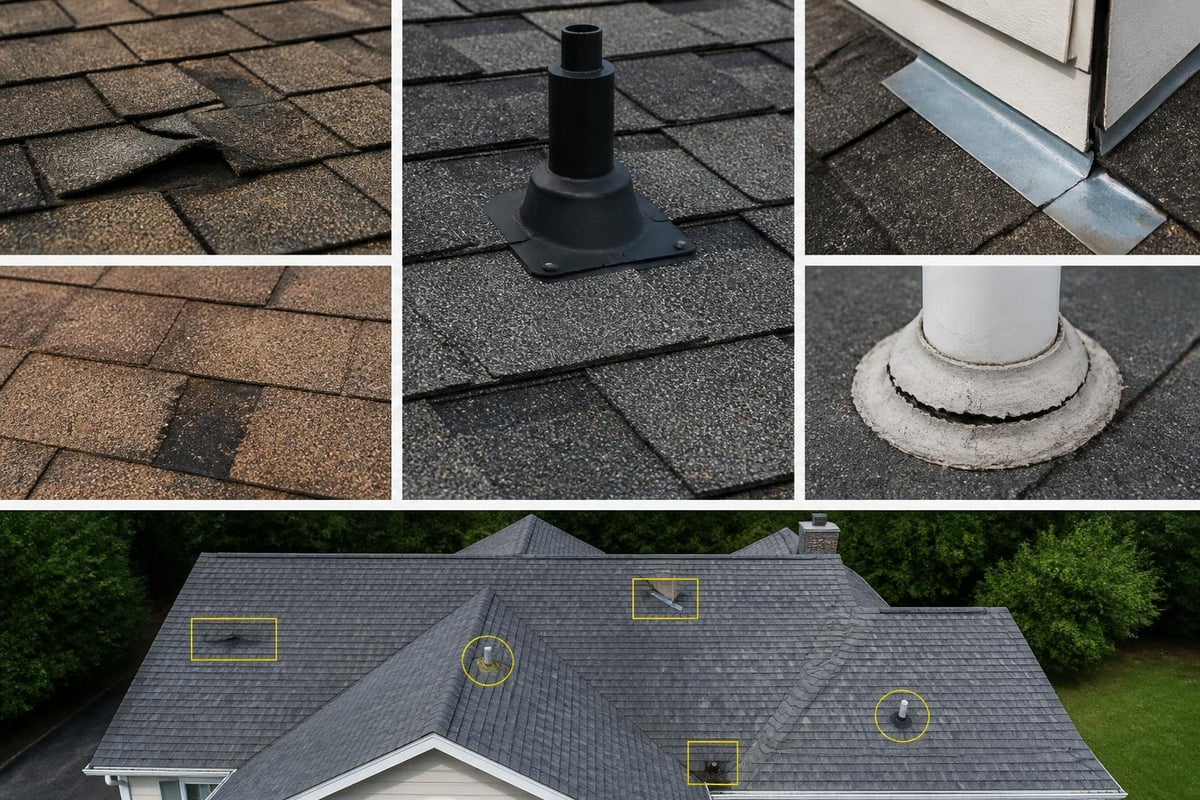
The first step in determining whether your roof can be repaired is understanding what kind of damage you're dealing with. Minor issues like a few missing shingles, small leaks, or isolated wind damage are usually excellent candidates for repair. These problems don't compromise the overall structural integrity of your roof system.
Common repairable roof issues include:
Missing or damaged shingles in a specific area
Flashing problems around chimneys or vents
Small leaks confined to one section
Storm damage affecting less than 30% of the roof surface
Worn pipe boots or vent seals
Minor granule loss on asphalt shingles
When damage is localized and your roof is relatively young (under 15 years old for asphalt shingles), repair typically delivers the best value. You address the immediate problem without the expense and disruption of a full replacement.
Age and Material Considerations
The age of your roof plays a major role in whether repair makes sense. A 10-year-old roof with storm damage can likely be repaired and still provide another decade of protection. A 25-year-old roof with the same damage might be better served by replacement, even if the immediate repair is technically possible.
Different roofing materials have different lifespans and repairability. Asphalt shingles, the most common material in Eastern North Carolina, typically last 20 to 30 years. Metal roofs can last 40 to 70 years. Tile roofs often exceed 50 years. Knowing where your roof falls in its expected lifespan helps frame the repair-versus-replacement decision.
Roofing Material | Typical Lifespan | Best Repair Window | Replacement Threshold |
|---|---|---|---|
Asphalt Shingles | 20-30 years | First 15 years | After 20 years or 40% damage |
Metal Roofing | 40-70 years | First 30 years | Severe rust or panel failure |
Tile | 50+ years | Any age if tiles available | Underlayment failure |
Wood Shake | 20-25 years | First 10 years | Widespread rot or curling |
Evaluating the Extent of Damage
Can my roof be repaired when there's visible damage across multiple areas? It depends on how much of the roof is affected. Roofing professionals use a general rule: if damage covers less than 25-30% of the total roof surface, repair usually makes sense. Beyond that threshold, replacement often becomes more cost-effective and provides better long-term value.
The location of damage also matters. Damage concentrated in one section (like the north-facing slope that takes the brunt of winter weather) is easier to repair than scattered damage across the entire roof. Similarly, damage to critical areas like valleys, ridges, or around penetrations requires more careful evaluation.
Visible vs. Hidden Damage
What you see from the ground might not tell the full story. A few missing shingles could indicate isolated wind damage, or they might be symptoms of broader deterioration. Understanding the difference between surface damage and structural issues helps determine whether repair is viable.
Professional roof inspections reveal hidden problems:
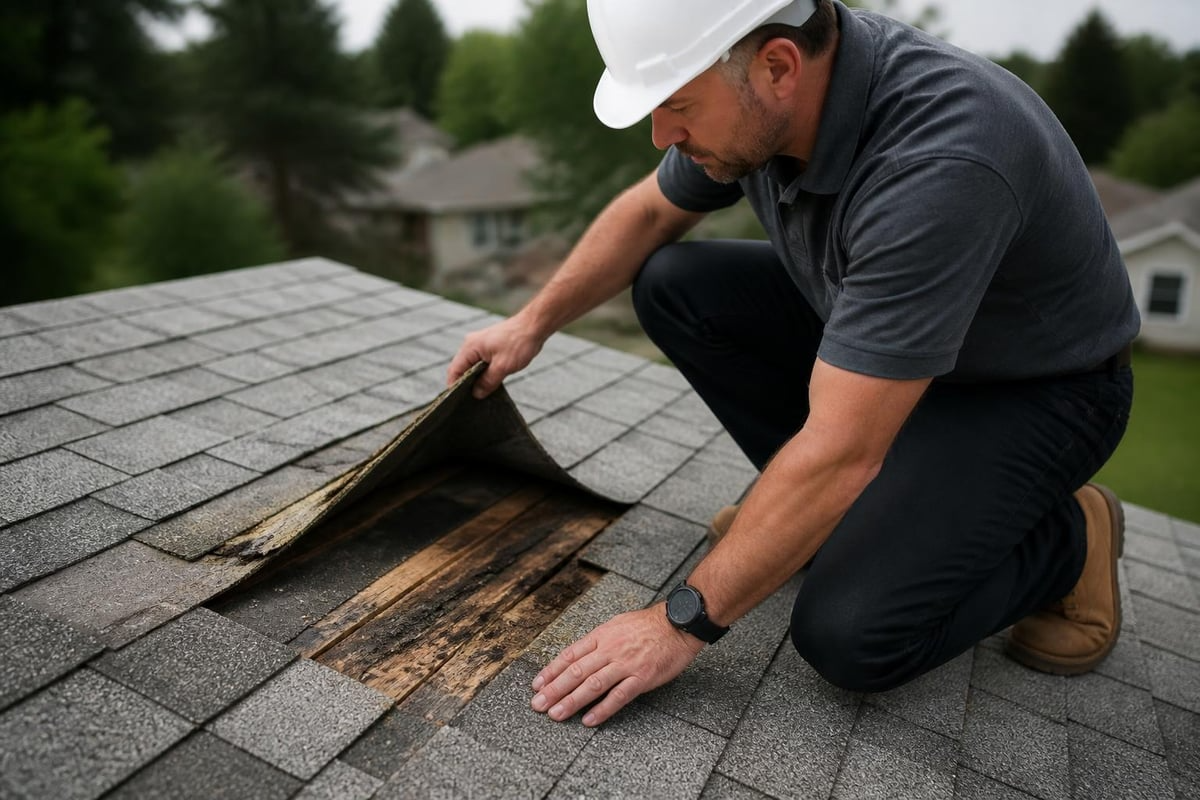
Decking condition beneath the shingles
Moisture or rot in the roof structure
Ventilation issues causing premature aging
Previous repair quality and its impact
Overall remaining life of undamaged areas
A proper inspection gives you the full picture before deciding on repairs. In coastal areas like Wilmington and Topsail, salt air and humidity can accelerate hidden deterioration even when the surface looks acceptable.
Cost Analysis: Repair vs. Replacement
One of the most practical questions homeowners face is whether the cost of repair justifies delaying replacement. Repair costs vary widely based on the scope of work, but they're almost always significantly lower than full replacement costs.
Typical repair cost ranges in 2026:
Minor repairs (flashing, vent boots): $300 - $800
Moderate repairs (section replacement): $800 - $2,500
Major repairs (multiple areas): $2,500 - $6,000
Compare these to replacement costs, which typically start around $8,000 for smaller homes and can exceed $20,000 for larger or more complex roofs. When evaluating repair costs versus replacement, consider how many more years of service you'll get from the repair.
The "Remaining Life" Calculation
A useful way to think about repair value is cost per year of remaining life. If a $2,000 repair on a 12-year-old roof gives you another 8 years of service, that's $250 per year. If the same repair on a 22-year-old roof only extends its life by 2 years, that's $1,000 per year, making replacement more attractive.
This calculation becomes especially important when considering whether multiple repairs over time make sense. Roof repair costs and long-term planning should account for both immediate needs and future expectations.
Storm Damage and Insurance Considerations
Coastal North Carolina sees its share of severe weather, from tropical systems to sudden wind events. Storm damage raises specific questions about whether your roof can be repaired and whether insurance will cover the work.
Insurance companies typically cover repairs when damage is sudden and weather-related. They evaluate the extent of damage using similar criteria to contractors: how much of the roof is affected, whether the damage compromises the roof's function, and whether repair will restore it to pre-storm condition.
Documentation and Insurance Claims
When storm damage occurs, proper documentation strengthens your claim:
Photograph damage from multiple angles
Note the date of the storm event
Document any interior leaks or water damage
Get a professional roof inspection report
Save any debris (damaged shingles, torn flashing)
Many homeowners working with roof repair services find that detailed inspection reports help insurance adjusters understand the full scope of damage. These reports should clearly state whether repair or replacement is the appropriate remedy based on industry standards and building codes.
Damage Type | Typical Insurance Coverage | Repair Likelihood |
|---|---|---|
Wind damage (missing shingles) | Usually covered | High if localized |
Hail damage (impact dents) | Usually covered | Depends on extent |
Wear and tear | Not covered | Homeowner decision |
Falling tree/branches | Usually covered | Depends on structural impact |
Poor installation | Not covered | Homeowner responsibility |
When Repair Isn't the Right Answer
Being honest about when repair doesn't make sense is just as important as knowing when it does. Can my roof be repaired when it's showing multiple signs of failure? Sometimes the answer is no, even if temporary patches are technically possible.
Signs that replacement makes more sense than repair:
The roof is beyond 75% of its expected lifespan
Previous repairs have failed or are failing
Widespread granule loss on asphalt shingles
Multiple leaks in different areas
Visible sagging or structural concerns
Energy costs have increased due to poor roof performance
You're planning to sell within the next few years
Replacement becomes the clear choice when repair costs approach 50% or more of replacement cost. At that point, you're paying for a temporary fix rather than a long-term solution. Making the right choice between repair and replacement means looking at both immediate needs and future plans.
The "Multiple Repairs" Red Flag
If you've had your roof repaired multiple times in recent years, that pattern suggests broader deterioration. Each repair might have been the right call at the time, but the cumulative effect indicates the roof system is failing. Homeowners facing their third or fourth repair in as many years should seriously consider replacement.
Repair Quality and Contractor Selection
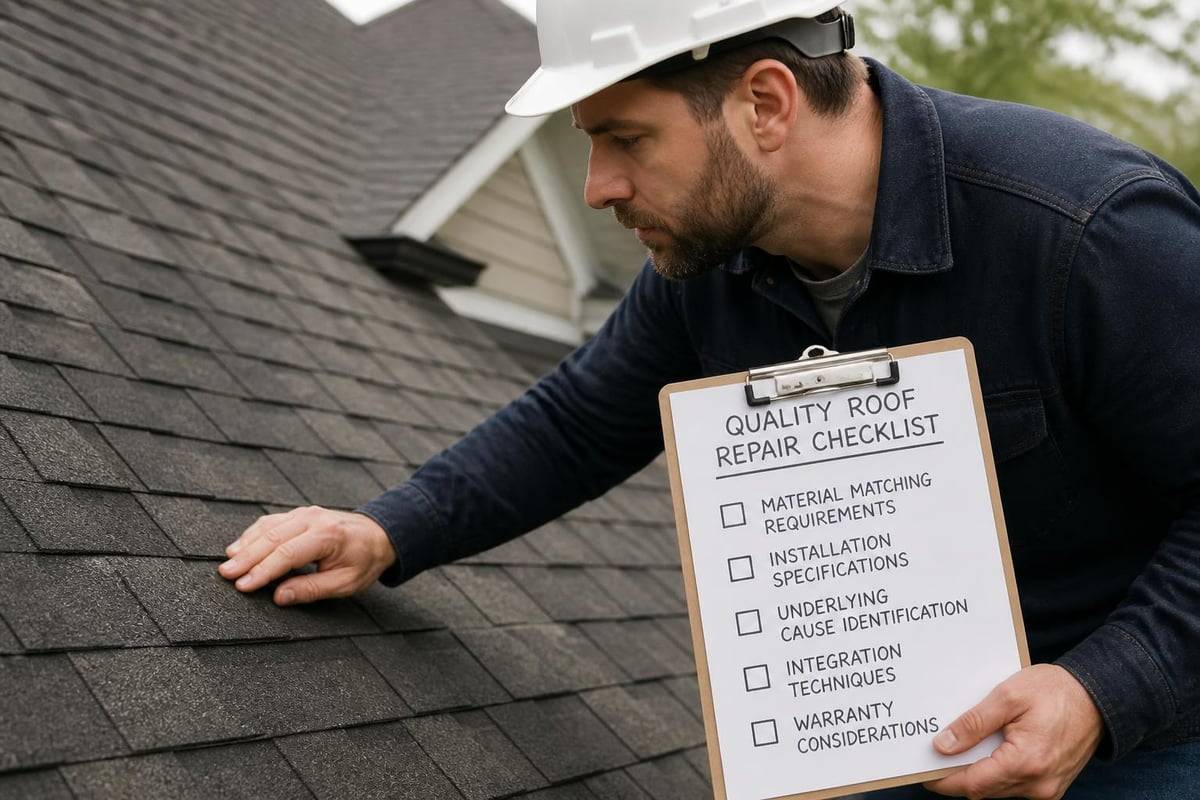
Even when your roof can be repaired, the quality of that repair determines how long it lasts. Proper repair work matches existing materials, addresses underlying causes (not just symptoms), and integrates seamlessly with surrounding areas.
Quality repairs include:
Material matching - New shingles should match color, style, and grade
Proper installation - Following manufacturer specifications and building codes
Addressing root causes - Fixing ventilation or flashing issues that caused damage
Warranty protection - Standing behind the work with clear guarantees
Clean integration - Blending repairs so they're not obviously visible
Choosing a contractor who provides clear explanations and honest assessments makes a significant difference. You want someone who will tell you when replacement makes more sense, not just push for the higher-cost option. Detailed information on repair versus replacement decisions can help you ask the right questions.
Special Considerations for Coastal Homes
Eastern North Carolina's coastal environment creates unique challenges for roofs. Salt air, high humidity, intense sun, and frequent wind events affect both how roofs age and whether they can be successfully repaired.
Coastal roofs often experience accelerated deterioration on specific sides. South and west-facing slopes take the most sun damage, while north-facing sections might show more moisture-related wear. This uneven aging can make repair more complicated, as you're patching newer materials into older, weathered sections.
Wind resistance is particularly important in coastal repairs. Simply replacing missing shingles isn't enough if the attachment method doesn't meet current wind codes. Quality coastal repairs often include upgraded fastening techniques even when matching existing materials.
Hurricane Season Planning
The best time to evaluate whether your roof can be repaired is before storm season, not after damage occurs. A spring inspection identifies vulnerable areas that can be reinforced before summer's peak weather arrives. This proactive approach often turns potential emergency repairs into planned, less expensive maintenance.
Making Your Decision
Can my roof be repaired? By now, you should have a clearer framework for answering that question. The decision comes down to a few key factors: your roof's age, the extent and location of damage, your budget, and your long-term plans for the home.
Start with a professional inspection. A thorough roof assessment should include:
Overall roof age and condition
Specific damage documentation
Underlying structure evaluation
Repair feasibility and cost estimate
Replacement cost for comparison
Expected remaining life with and without repair
This information lets you make an informed choice rather than guessing. Good contractors welcome questions and provide detailed explanations without pressure. They understand that structural and economic factors drive these decisions and respect the homeowner's need to carefully consider their options.
Getting the Right Guidance
The difference between a successful repair and money wasted on temporary fixes often comes down to getting honest, expert guidance upfront. Homeowners in Surf City, Holly Ridge, and surrounding coastal communities benefit from working with local contractors who understand regional weather patterns, building codes, and material performance in coastal conditions.
Look for contractors who offer clear roof reports before recommending any work. These reports should explain what's wrong, what options you have, and what each option costs, both immediately and over time. The goal is helping you understand your situation well enough to make a confident decision.
Avoid contractors who pressure immediate decisions, offer suspiciously low prices, or recommend replacement for every situation. Quality roofing work balances fair pricing with proper materials and techniques. It's about getting the right solution, not the quickest sale.
The best approach combines professional inspection with your own research and understanding. When you know what to look for and what questions to ask, you're better positioned to evaluate recommendations and choose the path that makes sense for your home and budget.
Understanding whether your roof can be repaired starts with knowing what you're dealing with and what realistic options exist. Most roof problems have solutions that don't require full replacement, especially when caught early and handled properly. If you're dealing with roof damage or concerns in Eastern North Carolina and want an honest assessment of what makes sense for your situation, NC Roofs provides clear roof reports and straightforward guidance to help you make the right decision. We'll explain what's happening with your roof and give you the information you need before any work begins.
Images
Additional Info
Media Contact : Joshua Sanders
Related Links : https://ncroofs.com/